
Ottawa City Council Approves $3.9 Billion Transportation Master Plan
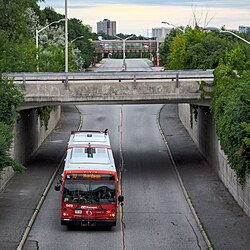
Ottawa – July 28, 2025 : Ottawa City Council has approved a sweeping new Transportation Master Plan (TMP) Capital Infrastructure Plan, outlining a $3.9 billion roadmap to reshape the city’s transportation system through 2046. The TMP emphasizes public transit, cycling, walking, and sustainability, aiming to create a more connected, equitable, and livable city.
“This plan is about building a connected, livable Ottawa that works for everyone,” said Mayor Mark Sutcliffe. “By prioritizing transit and active transportation, we are not only preparing for growth but also delivering on our commitment to equity, sustainability, and improved quality of life.”
At the heart of the TMP is a “transit-first” philosophy, prioritizing investments in light rail, bus service, and pedestrian and cycling infrastructure. Road construction will only be pursued when transit options cannot meet demand. The plan also includes long-term goals to reduce emissions, ease congestion, and guide budgetary planning over the next two decades.
But not everyone is convinced the TMP will deliver as promised.
Critics Warn of Persisting Car Dependency
Environmental groups such as EnviroCentre have raised red flags about the city’s projected travel patterns. While the TMP promotes a shift toward sustainable transportation, forecasts still show most of the anticipated 1.2 million additional daily trips by 2046 will be taken by car. “Without stronger measures, Ottawa risks locking in higher congestion and emissions,” the organization warned in a recent statement. The plan itself acknowledges average car trips could become 90 seconds longer due to increased congestion.
Rural and Suburban Areas May Be Overlooked
Councillors from Ottawa’s suburban and rural wards also voiced concern that the TMP does not sufficiently address mobility needs outside the urban core. Councillor David Brown called for more flexible, locally tailored rural transit options, potentially through partnerships with private or non-profit providers. Councillor Allan Hubley and others advocated for a Bus Rapid Transit (BRT) solution between Barrhaven and Kanata, warning that some high-growth areas remain underserved.
Ring Road Rejected—But the Debate Continues
In a contentious moment during final deliberations, Councillor Cathy Curry led a successful effort to remove language from the plan that would have supported a future ring road around Ottawa. Critics argued such a project would contradict the city’s stated goals of sustainability and transit prioritization, instead reinforcing car dependency.
Funding and Forecasting Called Into Question
Despite the ambitious scope, critics also question the financial viability of the $3.9 billion plan.
“Without guaranteed funding from senior levels of government, this could become more of a wish list than a plan,” said one policy analyst. Others highlighted the inherent uncertainty in long-term transportation forecasting, citing global research that shows consistent overestimations in rail ridership and underestimations of road use.
A Roadmap with Caution Ahead
While the TMP sets a bold, long-term vision, critics argue that achieving its goals will require more than planning—it will require flexible implementation, funding guarantees, and a willingness to confront deep-rooted transportation habits.
“This is a step in the right direction,” said Councillor Laura Dudas, “but we have to keep asking tough questions to make sure it leads where we want to go.”
Comments